

My Cart
 Your Shopping Cart is Empty
Spend more to enjoy FREE Home Delivery
Under the law of Hong Kong, intoxicating liquor must not be sold or supplied to a minor (under 18) in the course of business.


 Your Shopping Cart is Empty
As we all know, Champagne can only come from the Champagne region of France, and others can only be called as sparkling wine. But in fact, the Spain’s sparkling wine Cava was originally known as “Spanish Champagne”. Ranked as “Top 3 of best-selling Sparking wine in the world”, Cava has potential to battle with Champagne in terms of popularity. Why Cava is so popular around the world?
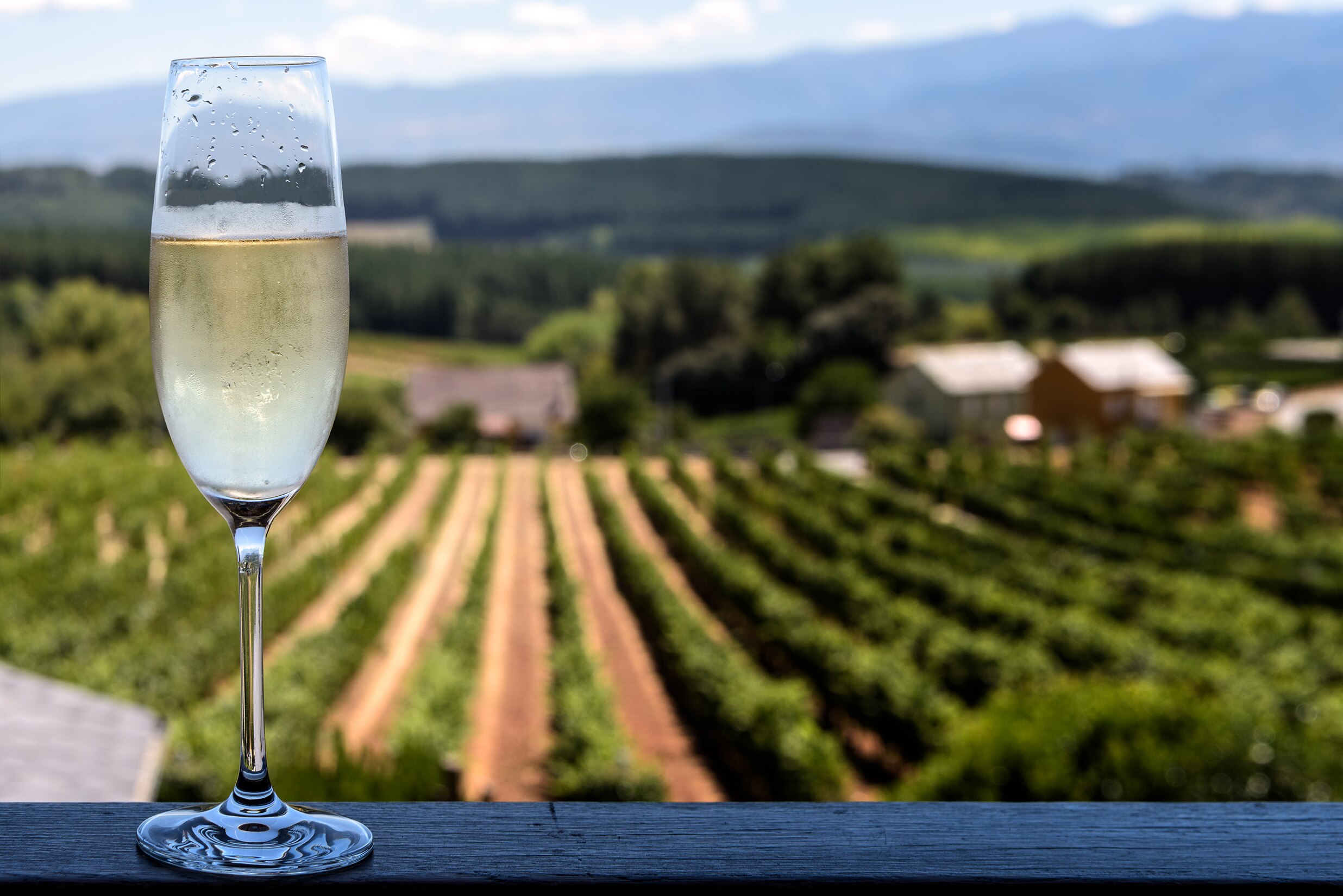
Cava is a Spanish sparkling wine made by the traditional method Champenoise, which is exactly the same way as Champagne is made in France. It holds “Denominación de Origen” (DO) status in Spain. Cava was originally known as “Spanish Champagne”, but later winemakers adopted the name “Cava” to differentiate it from French Champagne. Same as Champagne, Cava can be either white or rosé. Most of the Cava are produced in Penedès region of Catalonia.
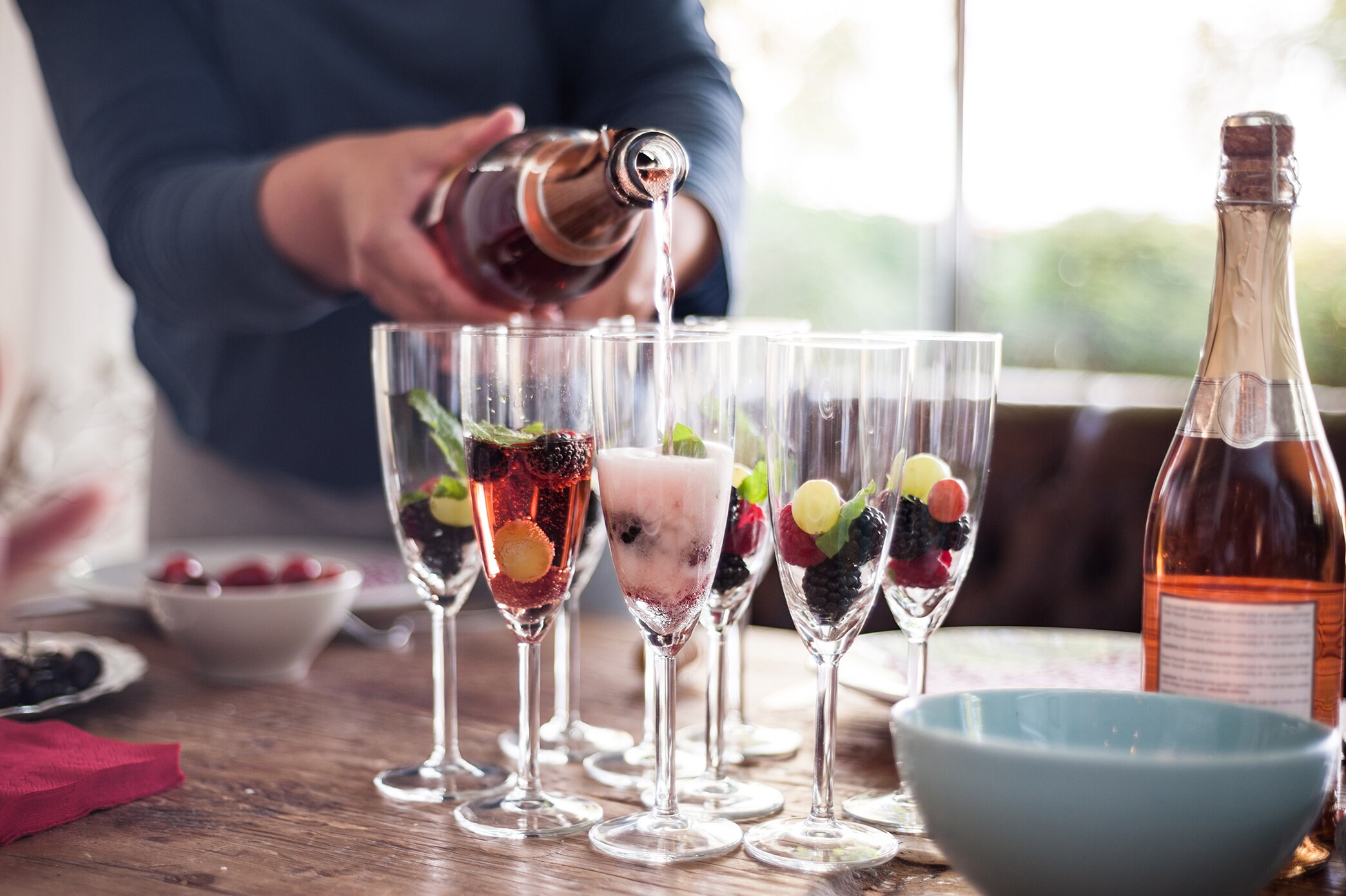
Although Cava is produced in the same way as Champagne, it is produced with different grapes. Cava is mainly made with a blend of 3 local white grapes: Macabeo, Parellada and Xarel-lo. Macabeo contributes elegance with the stone fruit and floral aromas; Parellada adds tart acid; Xarel-lo provides distinctive earthy note to blends. Therefore, Cava is usually light to medium bodied and fresh.
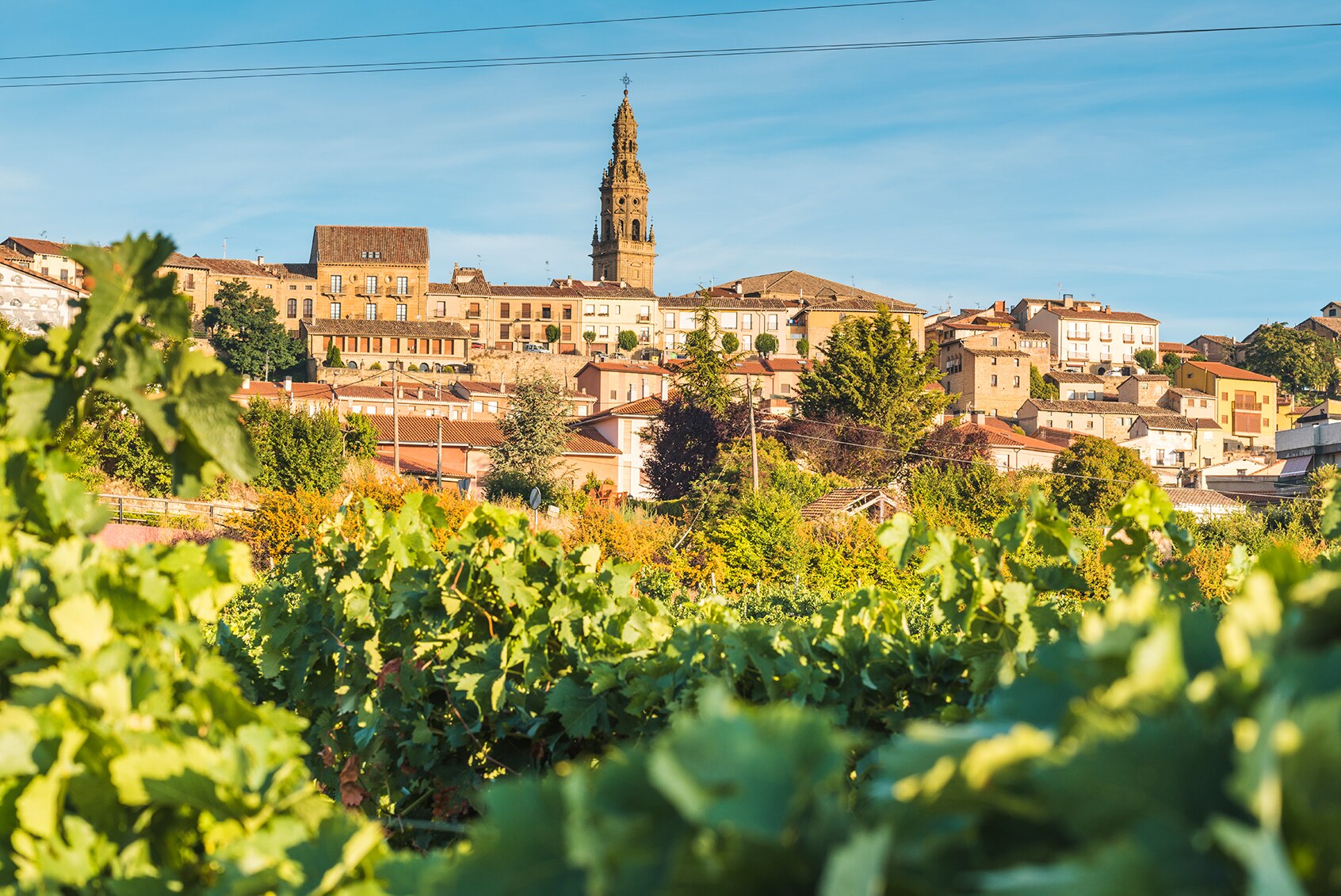
Cava can be classified as 4 levels: Cava, Reserva Cava, Gran Reserva and Cava Paraje Calificado. Cava needs to be aged on the lees for at least 9 months; Reserva Cava needs minimum of 15 months; Minimum of 30 months aging for Gran Reserva with vintage dates, and available as Brut Nature, Extra Brut, or Brut only; Cava Paraje Calificado is the most precious with at least 36 months aging. It must be produced from qualified single vineyards with vines older than 10 years.

Champagne is famous Sparking Wine of France, while Cava is the best-known Sparking Wine of Spain. Although they are using the same production method, Cava has a unique processing way. In 1968, two French vintners invented a machine called gyropalette which can perform the riddling task. And it was first introduced and used in Spain by the Cava-producer Codorníu, has replaced manual riddling with machine to produce high quality Cava. Therefore, you should try Cava if you love Champagne, you may fall in love with it once you have tasted!