Spend $1200 more to enjoy Free Delivery.


 Express Click & Collect
Store
Change Store


Advanced Search






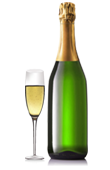
Red wines usually benefit from being opened ahead of serving time, as much as a few hours ahead. Old wines are usually decanted, a delicate process which leaves the sediment in the bottle and ensures the wine is clear. Tight young reds also benefit from the increased exposure to air that decanting provides. A basic corkscrew - known as a Waiter's Friend - is the most effective opening tool, though increasingly bottles are being sealed by screwcap.
When pouring wine, glasses should never be filled to the top. Too much wine in the glass and it is impossible to swirl the liquid to release aroma. Wine will also heat up in the glass - so it is preferable to pour in small amounts to maintain the correct temperature as far as possible. A "standard" pour usually allows for seven or eight glasses per bottle, though for a decent amount, one bottle usually allows for no more than six glasses.
Different grape varieties are suited to different glass shapes, and indeed many manufacturers now name their glasses after grapes. A Champagne flute, for example, directs the liquid straight down the tongue to enhance the refreshing acidity; while the generous width of a Cabernet Sauvignon glass allows the complex aromas to be fully appreciated. In general terms, the plainer the glass the better, the thinner the rim the better, and the longer the stem the better. And crystal glasses give off a lovely chime when a toast is proposed.



 Wine Club
 Wine Club