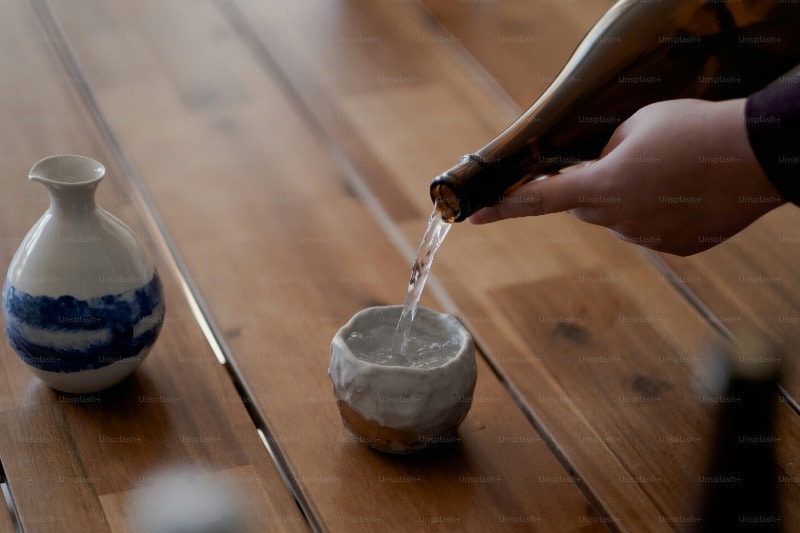
Once a bottle has been opened, there are three basic components involved in the enjoyment and assessment of a wine.
APPEARANCE
The colour offers an initial insight into a wine’s character. White wines tend to deepen in colour with age, evolving from "lemon" to "straw", particularly when oak-aged. Red wines gradually transition from purple to a "brick-red" with brown tones. A vivid red hue generally indicates youth, although Pinot Noir is an exception, appearing pale and slightly brown even in its early years. One may also notice the wine’s clarity, any effervescence or bubbles, and the presence of sediment.
NOSE
The colour offers an initial insight into a wine’s character. White wines tend to deepen in colour with age, evolving from "lemon" to "straw", particularly when oak-aged. Red wines gradually transition from purple to a "brick-red" with brown tones. A vivid red hue generally indicates youth, although Pinot Noir is an exception, appearing pale and slightly brown even in its early years. One may also observe the wine’s clarity, any effervescence or bubbles, and the presence of sediment.
APPEARANCE
The colour gives the first clue to character. White wines become more rich in colour as they age, from "lemon" to "straw", particularly if they have been oaked. Red wines, conversely, turn from purple to a "brick-red" with brown hues as they age. A vibrant red hue thus suggests youth, with the exception of Pinot Noir, which is pale and a little brown even in youth. Also detectable is the clarity of the wine, the absence or otherwise of bubbles or effervescence, and the presence of sediment.


 您的购物车目前为空